
All insights
How light, sound, materials and the spaces around us can support the people who use a workplace.
By Nicola O’Connell · Founder, Island Interiors
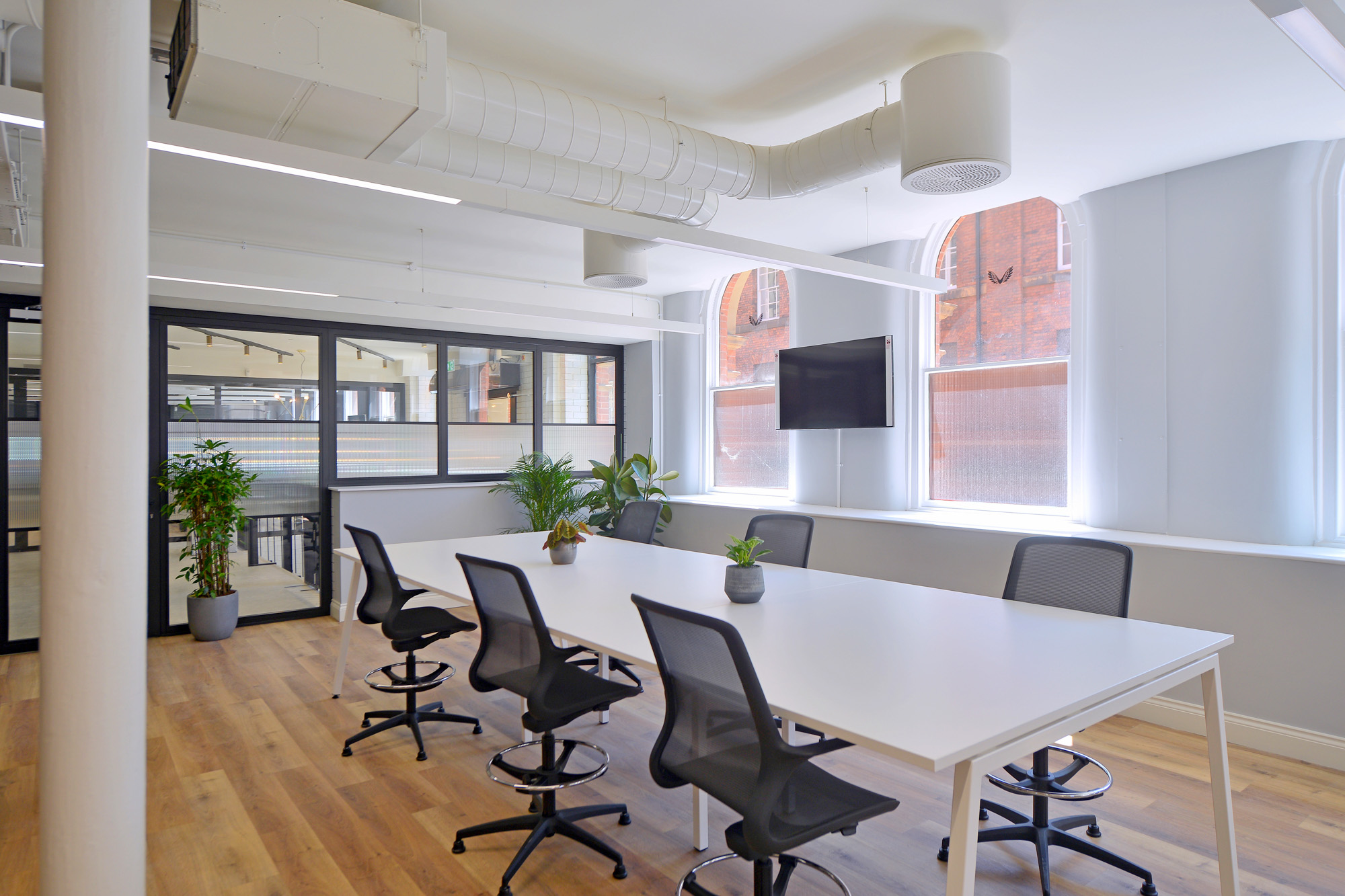
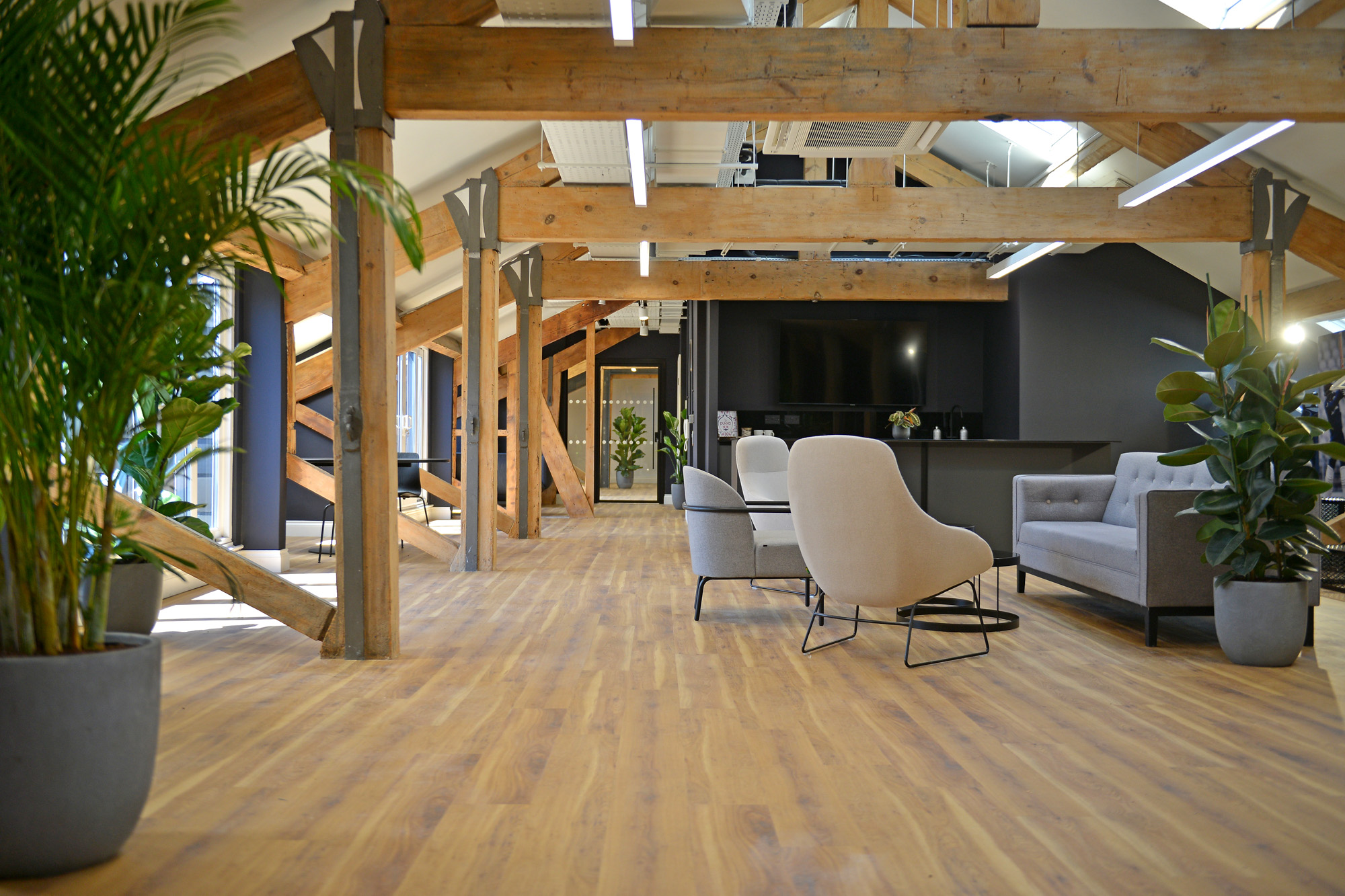
Throughout the modern office era, ergonomics and the aesthetic look and feel of a workplace have generally been seen as the essential drivers for creating a successful working environment. These two elements combined have long been considered important in creating an office that employees can be proud of, one that maintains productivity and helps businesses attract and retain talent. However, another element has become increasingly important in recent years, and that is wellbeing.
Wellbeing can be broken down into a number of individual elements, all of which can influence how people feel and perform within their working environment. With many of us spending a significant proportion of our time indoors, the design of our workplaces has an important role to play in supporting both physical and mental wellbeing.
The WELL Building Standard provides a useful framework for understanding how buildings can support health and wellbeing, looking at elements such as air, water, nourishment, light, movement, thermal comfort, sound, materials, mind and community.
As workplace designers, we understand the benefits that each of these elements can bring to occupiers and their employees. By considering how they can be incorporated through design strategies, materials, technology and space planning, we can help create working environments that are not only functional and visually appealing but also support the people using them every day.
Air
Depending on whether your office is mechanically or naturally ventilated, the design and performance of the ventilation system can have a significant impact on air quality. Understanding how fresh air is supplied and circulated throughout a space is important, particularly when considering occupancy levels and the location of meeting rooms and enclosed areas. Good ventilation and air quality can help create a healthier and more comfortable working environment.
Water
Providing employees with easy access to drinking water is a relatively simple consideration that can encourage hydration throughout the working day. Locating water points in convenient areas, with facilities for refilling bottles, can help make this part of employees’ everyday routines. Hygiene and the maintenance of these facilities should also be considered as part of the wider workplace design.
Nourishment
Occupiers can encourage healthier eating habits by providing appropriate facilities within the workplace. This might include something as simple as providing fresh fruit, but as workplace designers we also encourage businesses to consider suitable areas for food preparation, refrigeration and reheating meals. A well-designed tea point or breakout space can encourage employees to take proper breaks away from their desks.
Light
When space planning an office, natural daylight is always an important consideration. The location of workstations, meeting rooms and other amenities can influence how effectively daylight is distributed throughout the space. Where possible, workstations should benefit from natural light, while also considering glare and the need for appropriate shading. Providing suitable artificial and task lighting can help employees adjust their working environment to suit their individual needs.
Movement
Physical inactivity continues to be a concern, particularly within office environments where employees can spend long periods sitting at their desks. As workplace designers, we can encourage movement through the layout of the office and by providing a variety of spaces for different activities. Something as simple as height-adjustable desks and ergonomic task chairs can encourage changes in posture and support more comfortable working positions throughout the day.
Thermal Comfort
Getting the temperature right within an office can be challenging, particularly as everyone has different preferences. The design and control of heating, ventilation and air conditioning systems play an important role in creating a comfortable working environment. Understanding how different areas of an office are occupied and used can also help inform the most appropriate approach to heating and cooling.
Sound
Noise can have a significant impact on concentration and comfort within the workplace. When undertaking initial space planning, we consider the different activities taking place and how these might influence the acoustic environment. Creating areas for quiet working, collaboration and meetings can help reduce distractions. The selection of appropriate acoustic finishes, furniture and partitions can also help manage sound throughout the office.
Materials
Working closely with our suppliers, we can consider the impact of the materials and finishes selected for a workplace. This includes looking at durability, maintenance, sustainability and indoor air quality. Incorporating natural materials such as timber, alongside carefully selected fabrics, flooring and wall finishes, can help create a more welcoming and comfortable environment. Where possible, we also look at opportunities to reuse existing furniture and materials rather than replacing them unnecessarily.
Mind
The connection between our surroundings and mental wellbeing is an important consideration in workplace design. Access to natural light, external views, planting and comfortable furniture can all contribute to creating an environment where employees feel more relaxed and supported. Providing a variety of working environments, including quieter areas and informal seating, can also give employees greater choice over where and how they work.
Community
A workplace should encourage social interaction while also providing spaces that are inclusive and accessible to everyone. Well-designed breakout areas, tea points and informal meeting spaces can help bring people together and encourage communication between teams. Understanding the culture of an organisation and how employees interact is important when considering how these spaces should be designed.
Innovation
Workplace design continues to evolve, with new products, technology and research helping us better understand how our environments can support wellbeing. The WELL Building Standard provides useful guidance, but these are just some of the elements we consider when designing a workplace. Not every solution will be appropriate for every organisation, which is why understanding the needs of the business and its employees is so important.
At Island Interiors, we believe that good design starts with understanding how a business works and the people who use its spaces. By considering wellbeing from the earliest stages of workplace consultancy and space planning, we can help businesses create environments that are not only functional and visually appealing but also support the health, comfort and wellbeing of their employees.

WRITTEN BY NICOLA O’CONNELL
Founder of Island Interiors, bringing experience in commercial interiors and project delivery to Jersey and the Channel Islands.
Meet Nicola