
All insights
From ergonomics and movement to everyday amenities: considering physical comfort from the beginning.
By Nicola O’Connell · Founder, Island Interiors
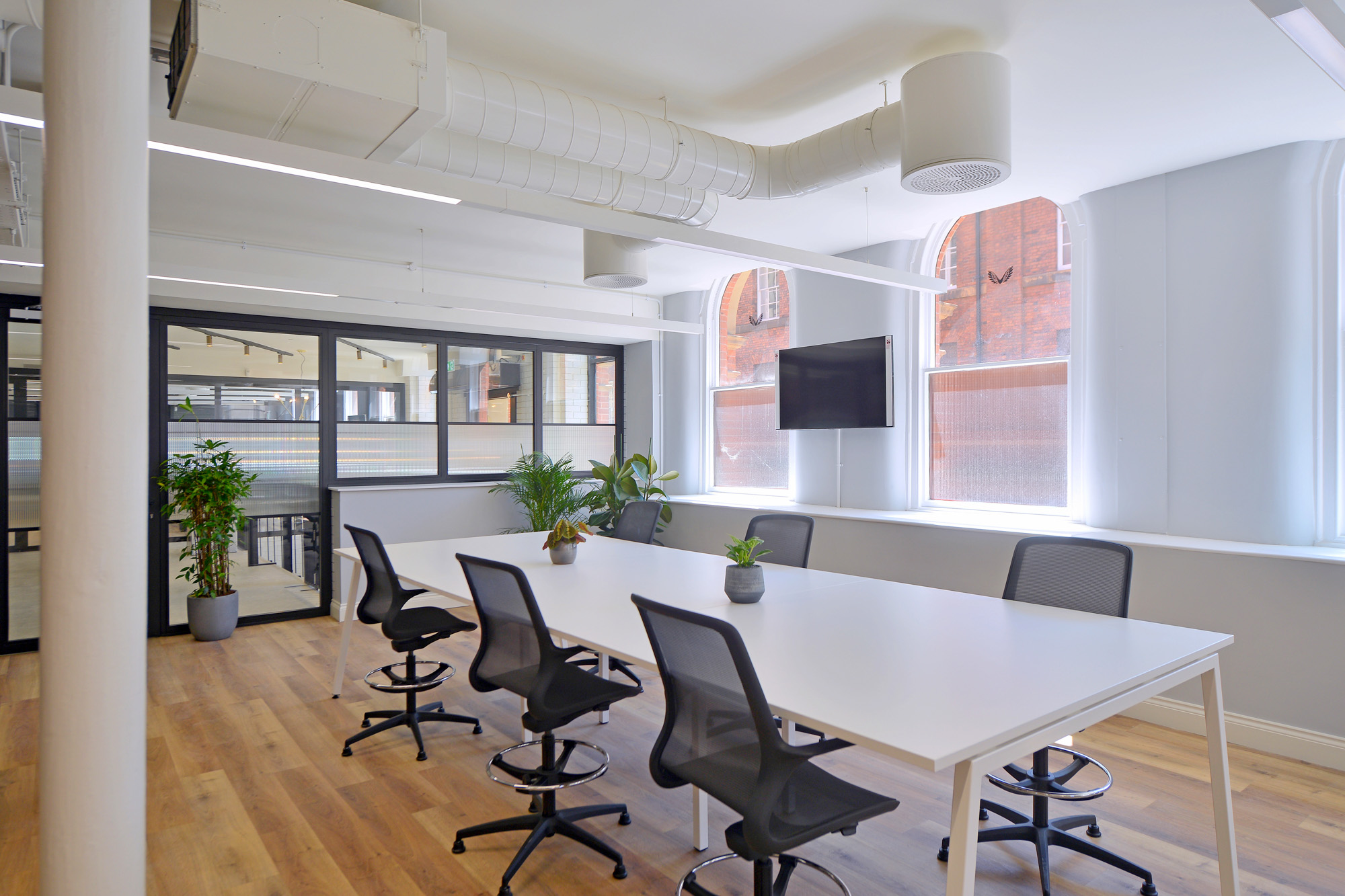
Office design is about more than creating an attractive workplace. The way we plan spaces, select furniture and incorporate facilities can influence physical comfort, movement and how employees use their workplace throughout the day.
The workplace is constantly evolving, whether that’s through design trends, new guidance or research. As humans, we naturally crave connection with one another, so it’s important that the spaces we create are designed around the people using them.
At Island Interiors, we believe there is a strong connection between ergonomics, the look and feel of a space, and wellbeing, all of which play an important role in supporting physical health.
Workplace design priorities have evolved over the years. Historically, the focus was largely on functionality, but a successful workplace now needs to consider a number of elements together rather than treating them separately.
Having worked within the commercial office sector since 2017, I’ve seen a greater emphasis on functionality and flexibility. However, it’s also about understanding the business and how different spaces will be used, ensuring the right furniture, technology and ergonomics are considered from the beginning. After all, if employees can’t use a space comfortably, they are unlikely to use it at all, and those carefully designed areas can quickly become redundant.
Ergonomics
Let’s dive into ergonomics! This is about more than just a comfortable chair. It involves the entire workstation and every other space within the office that employees are encouraged to use.
Height-adjustable desks were once considered a nice to have, but they are now becoming a standard consideration in many office environments. Sitting in the same position from 9–5, five days a week, isn’t ideal, so providing employees with the opportunity to change their working position can help encourage movement, support posture and provide a change of focus throughout the day.
Of course, there is still a lot to be said about the traditional 9–5 working week, which remains more common in Jersey than in some parts of the UK where flexible working arrangements have become more established. However, that’s perhaps a topic for another Insight, as these decisions often need to be driven by the business itself.
Ergonomics also needs to consider the technology being used within a space. Ensuring the correct equipment is specified, including monitors, adjustable monitor arms and other workstation accessories, is essential. Not only can this help employees achieve a more comfortable working position, but it can also minimise the frustration of equipment that doesn’t work well together. This is equally important when designing bespoke furniture, such as reception desks, where ergonomics should be considered from the very beginning rather than being an afterthought.
Different employees will have different requirements, and we cannot assume that one workstation arrangement will suit everyone. Investment in appropriate furniture is therefore important. Ergonomics should be a key consideration during the furniture selection process, alongside ensuring the products are aesthetically pleasing and work with the overall look and feel of the office.
The Space
Many employees spend a significant proportion of their working day sitting, which is why encouraging movement is such an important consideration when planning an office.
Furniture and office layouts can encourage people to move between different working environments, while also providing spaces that suit different personalities and ways of working.
Some employees may prefer quieter environments where they can concentrate, while others benefit from more collaborative and social settings. Providing a variety of spaces for individual work, collaboration and informal meetings gives employees greater choice over how and where they work.
Understanding these requirements during the initial workplace consultancy and space planning stages can help create an environment where employees feel comfortable and supported, which may also contribute to greater workplace satisfaction and staff retention.
Accessibility is equally important. Ensuring the workplace is designed to accommodate different needs allows everyone to move comfortably around the office and make use of the facilities available.
Lighting
Natural daylight is always an important consideration when designing an office, as access to daylight and external views can help create a more comfortable and welcoming working environment. However, it’s equally important to manage glare on computer screens. Considering window positions and the orientation of desks during the initial space planning stages can make a significant difference to how comfortably employees use their workstations.
Task lighting may also be something businesses wish to invest in, particularly where employees would benefit from having more individual control over their working environment. This could be considered during the initial design or reviewed once the office is occupied, allowing employees to provide feedback on how the lighting works for them throughout the day.
Ultimately, good lighting isn’t simply about how a space looks, but how comfortably people can work within it.
Amenities
Supporting physical health goes beyond the desk itself, and the amenities available within a building or office can make a real difference to employees’ everyday routines.
Providing showers and secure cycle storage, for example, can encourage employees to cycle, walk or run to work, or make use of local fitness facilities during their working day.
Location can also play a part. Having shops, cafés and other amenities within walking distance can encourage employees to step outside and move around during their breaks.
Something as simple as providing fresh fruit can also be a nice employee benefit and a way for businesses to encourage healthier habits.
Within the office itself, a well-designed kitchen or tea point can provide employees with facilities to prepare or reheat food, while comfortable breakout spaces can encourage people to take proper breaks away from their desks.
These amenities are becoming increasingly important, and we are seeing landlords recognise the value of providing facilities such as showers and cycle storage to make their buildings more attractive to prospective tenants. However, supporting physical health doesn’t necessarily mean installing a gym or spending a large amount of money. Sometimes, providing practical facilities that make everyday activities easier can be just as valuable.
Look and Feel
When a company has a strong brand identity, it can be a great opportunity to celebrate this within the interior design. Incorporating elements of the brand into the workplace can help employees feel connected to the business and create a sense of belonging.
Of course, not every workplace needs to incorporate its branding throughout the interior, but it can be a nice way to create a shared identity and make the space feel more personal to the people using it.
However, the look and feel of an office should never be considered in isolation. Comfort, durability, adjustability and functionality all need to be carefully considered alongside the overall design concept.
A piece of furniture might look fantastic, but if it isn’t comfortable or suitable for its intended use, it may not be the right choice for the space.
By balancing aesthetics with practical considerations, we can create workplaces that not only look good but also encourage employees to use the spaces comfortably throughout their working day.
Island Interiors – Understand First, Design Second
At Island Interiors, we always aim to understand first and design second, which is why there may be quite a few questions at the beginning of a project!
Taking the time to understand how a business operates, how employees work and what they need from their environment allows us to develop a design that responds to those requirements.
Physical health and wellbeing shouldn’t be considered as additional features introduced towards the end of a project. They should be part of the design process from the beginning, alongside functionality, aesthetics and the wider business objectives.
By bringing these elements together, we can help create workplaces that support employee comfort, encourage movement and contribute to a positive working environment.
After all, an office can look fantastic, but if the people using it aren’t comfortable, has the design really achieved what it set out to do?

WRITTEN BY NICOLA O’CONNELL
Founder of Island Interiors, bringing experience in commercial interiors and project delivery to Jersey and the Channel Islands.
Meet Nicola